
Entering accurate frequency, symbol rate, polarization, and FEC values is essential for successful channel tuning. Mistakes in these settings can prevent signal locking, even if the receiver and dish are in perfect condition. Proper setup is key to uninterrupted viewing.
Modern receivers offer manual tuning and blind scan capabilities, each with advantages. Manual entry allows precise addition of known channels, while blind scans help locate new or unlisted transponders automatically. Combining both methods optimizes channel acquisition.
Dish orientation and cable quality significantly influence reception stability. Proper elevation, azimuth, and LNB positioning ensure a strong signal, while high-quality cables prevent interference and signal degradation. This setup guarantees smooth picture and sound.
Regular updates on frequency changes prevent unexpected channel loss. Channels may move satellites or change transponders to improve coverage, and staying informed ensures continuous access to content. Proactive monitoring saves time and frustration.
Learning how to tune channels and monitor frequency updates empowers users, making them more self-reliant and confident in managing their satellite systems. Experience reduces errors and increases efficiency in future installations.
Satellite Pulse delivers reliable, up-to-date frequency information that simplifies the process of scanning, restoring, and adding channels. With verified data and clear guidance, viewers enjoy uninterrupted satellite reception with minimal effort.
Entering accurate frequency, symbol rate, polarization, and FEC values is essential for proper signal detection. Mistakes in these parameters may prevent channels from appearing, reducing viewing quality.
Modern receivers provide manual tuning and blind scan options. Manual input allows precise addition of known channels, while blind scan discovers all active transponders on a satellite. Using both methods maximizes channel coverage.
Dish alignment and hardware quality greatly impact reception stability. Proper elevation, azimuth, and LNB positioning ensure strong signals, while high-quality cables prevent interference and signal loss.
Frequent monitoring of transponder updates allows viewers to react quickly to changes, preventing sudden channel loss. Staying informed ensures uninterrupted viewing at all times.
Learning how to tune channels builds confidence and technical skill, enabling users to restore channels efficiently without external assistance.
Combining accurate data, proper setup, and regular monitoring ensures seamless satellite reception with clear visuals and stable sound.
Entering accurate frequency, symbol rate, polarization, and FEC values is essential for proper signal detection. Mistakes in these parameters may prevent channels from appearing, reducing viewing quality.
Modern receivers provide manual tuning and blind scan options. Manual input allows precise addition of known channels, while blind scan discovers all active transponders on a satellite. Using both methods maximizes channel coverage.
Dish alignment and hardware quality greatly impact reception stability. Proper elevation, azimuth, and LNB positioning ensure strong signals, while high-quality cables prevent interference and signal loss.
Frequent monitoring of transponder updates allows viewers to react quickly to changes, preventing sudden channel loss. Staying informed ensures uninterrupted viewing at all times.
Learning how to tune channels builds confidence and technical skill, enabling users to restore channels efficiently without external assistance.
Combining accurate data, proper setup, and regular monitoring ensures seamless satellite reception with clear visuals and stable sound.
Entering accurate frequency, symbol rate, polarization, and FEC values is essential for proper signal detection. Mistakes in these parameters may prevent channels from appearing, reducing viewing quality.
Modern receivers provide manual tuning and blind scan options. Manual input allows precise addition of known channels, while blind scan discovers all active transponders on a satellite. Using both methods maximizes channel coverage.
Dish alignment and hardware quality greatly impact reception stability. Proper elevation, azimuth, and LNB positioning ensure strong signals, while high-quality cables prevent interference and signal loss.
Frequent monitoring of transponder updates allows viewers to react quickly to changes, preventing sudden channel loss. Staying informed ensures uninterrupted viewing at all times.
Learning how to tune channels builds confidence and technical skill, enabling users to restore channels efficiently without external assistance.
Combining accurate data, proper setup, and regular monitoring ensures seamless satellite reception with clear visuals and stable sound.
Correctly entering frequency, symbol rate, polarization, and FEC values into a receiver is crucial. Even a small mistake can prevent a channel from appearing. Understanding these settings ensures efficient and accurate tuning.
Modern receivers offer manual and automatic scanning options. Manual input allows precise addition of known channels, while blind scan detects all active transponders. Using both methods enhances channel coverage and reliability.
Dish alignment is a major factor in signal quality. Proper elevation, azimuth, and LNB positioning ensure strong reception, while poor alignment can weaken signals and cause interruptions.
Cable quality and connection stability also impact viewing performance. Damaged or low-grade cables reduce signal flow, affecting both picture and audio quality. Using high-quality components guarantees consistent reception.
Monitoring frequency updates allows viewers to restore channels promptly when broadcasters make changes. Staying updated prevents sudden loss of access and ensures smooth viewing experiences.
Freq Finder provides accurate and verified frequency data, helping users restore and add channels efficiently. With clear guidance, satellite tuning becomes simple, reliable, and accessible to all users.
Correctly entering frequency, symbol rate, polarization, and FEC values into a receiver is essential for proper tuning. Even minor errors can prevent the signal from locking, delaying access to channels. Mastering these settings ensures smooth and reliable reception.
Modern receivers offer both manual and automatic scanning options. Manual tuning works best when exact frequency values are known, while automatic scans help discover additional channels across the satellite. Combining both approaches maximizes channel access efficiently.
Freq Finder provides accurate and up-to-date satellite frequency information, allowing users to restore missing channels and add new ones effortlessly. With clear guidance and verified data, tuning becomes simple, organized, and accessible for all users.
Correctly entering frequency, symbol rate, polarization, and FEC values into a receiver is crucial for proper tuning. Even small mistakes can prevent a signal from locking, delaying access to channels.
By following accurate frequency data and maintaining proper hardware setup, viewers can enjoy consistent satellite reception. Regular monitoring ensures clear visuals, stable audio, and uninterrupted entertainment.
Correctly entering frequency, symbol rate, polarization, and FEC values into a receiver is crucial. Even a small mistake can prevent a channel from appearing. Understanding these settings ensures efficient and accurate tuning.
Modern receivers offer manual and automatic scanning options. Manual input allows precise addition of known channels, while blind scan detects all active transponders. Using both methods enhances channel coverage and reliability.
Dish alignment is a major factor in signal quality. Proper elevation, azimuth, and LNB positioning ensure strong reception, while poor alignment can weaken signals and cause interruptions.
Cable quality and connection stability also impact viewing performance. Damaged or low-grade cables reduce signal flow, affecting both picture and audio quality. Using high-quality components guarantees consistent reception.
Monitoring frequency updates allows viewers to restore channels promptly when broadcasters make changes. Staying updated prevents sudden loss of access and ensures smooth viewing experiences.
Freq Finder provides accurate and verified frequency data, helping users restore and add channels efficiently. With clear guidance, satellite tuning becomes simple, reliable, and accessible to all users.
Entering the correct parameters such as frequency, symbol rate, polarization, and FEC is crucial for the receiver to detect channels. Manual tuning often provides faster results than automatic scanning when exact values are known, while blind scan is useful for discovering additional channels.
A well-aligned dish and high-quality cables improve signal strength and picture clarity. Even with perfect frequency values, poor installation can cause weak reception, pixelation, or audio interruptions. Maintaining hardware is just as important as updating software settings.
Regular monitoring of frequency updates keeps the channel list complete and prevents sudden service loss. Users who rely on accurate and verified sources can restore channels quickly without frustration.
Satellite Hub offers detailed, reliable frequency information, making it easier for viewers to scan and tune their satellite receivers accurately. The platform ensures that users enjoy uninterrupted access to all available channels.
Entering the correct frequency, symbol rate, polarization, and FEC into a receiver is essential for successful tuning. Even minor mistakes can prevent the signal from locking, leading to frustration. Mastering these details allows users to restore channels quickly.
Modern receivers provide both manual and automatic scanning options. While automatic scans are convenient for beginners, manual tuning is often the fastest method when exact frequency values are known. Combining both methods maximizes channel availability.
A stable dish alignment and high-quality cables enhance reception significantly. Even with perfect frequency values, poor installation can reduce signal strength and cause interruptions. Proper setup guarantees clear visuals and smooth audio.
Regularly checking for updated transponder information keeps viewers ahead of changes. Many channels shift satellites or upgrade broadcast quality, and staying informed prevents sudden loss of access. This proactive approach ensures uninterrupted viewing.
Freq Finder provides accurate and up-to-date satellite frequency information, helping users restore missing channels and add new ones effortlessly. With clear guidance and verified data, tuning becomes simple, organized, and reliable for all viewers.
Nilesat is one of the most important communication satellites in the Middle East and North Africa (MENA) region. Since its launch in 1998, it has become the backbone of satellite broadcasting in the region, offering a wide range of services including television, radio, and internet. Known for its extensive coverage and reliability, Nilesat plays a crucial role in connecting millions of viewers, businesses, and institutions across the Arab world.
🚀 On the subject of Nilesat
Nilesat, operated by the Egyptian company Nilesat Satellite Communications, provides satellite broadcasting services to a wide range of customers across the Middle East, North Africa, and parts of Europe. The satellite allows for the transmission of television and radio signals, as well as data and internet services.
Nilesat’s fleet of satellites serves multiple purposes:
-
transmission TV channels: Free-to-air and subscription-based channels.
-
Radio broadcasting: National and regional radio stations.
-
Data services: Internet access and other telecommunication services.
-
Corporate communications: For businesses and institutions requiring dedicated communication lines.
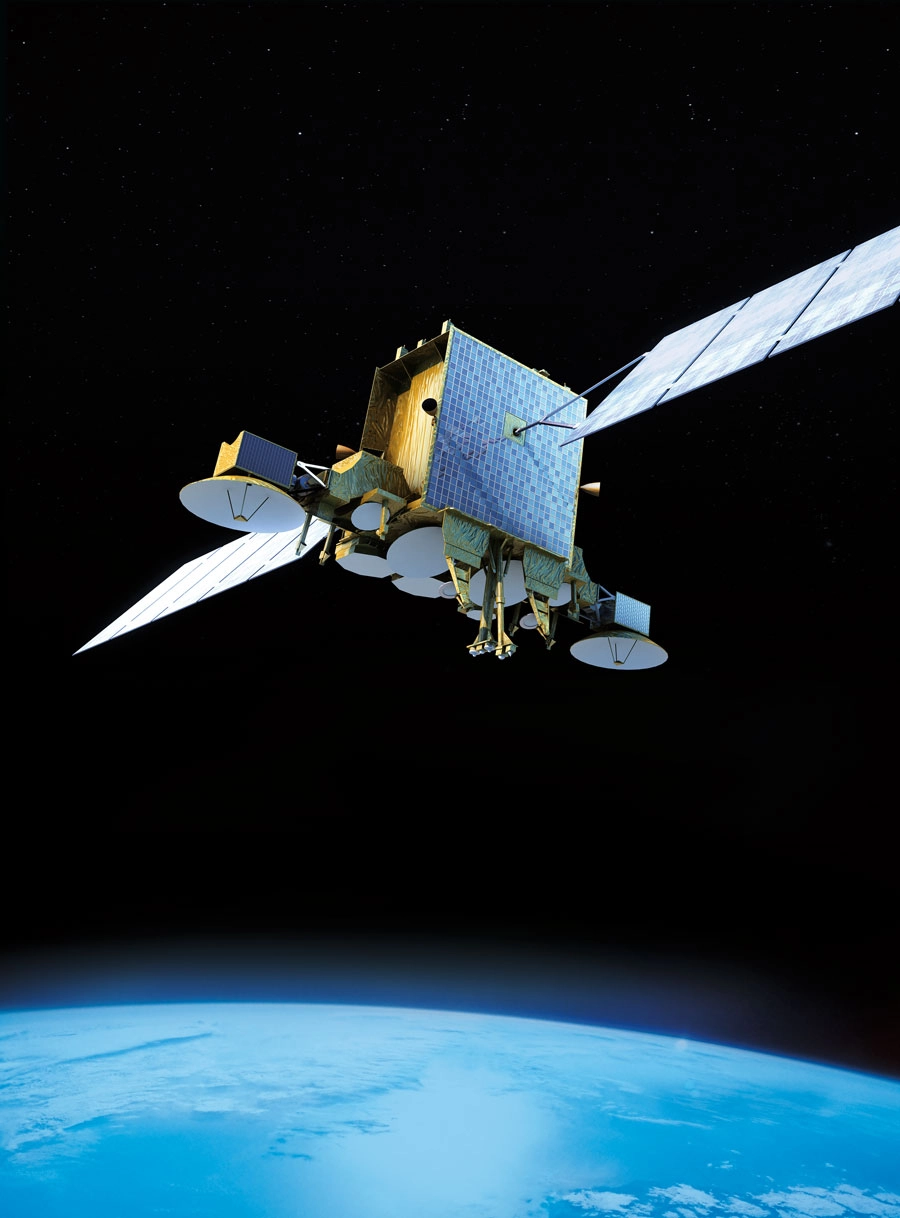
With several satellites in orbit, including Nilesat 101, Nilesat 102, and the more recent Nilesat 201, the network continues to grow in capacity and service offerings.
🌐 Nilesat’s Satellite Fleet
Nilesat operates a fleet of geostationary satellites positioned to serve the MENA region and beyond. These satellites are carefully positioned to provide the best possible signal coverage. Key satellites in the fleet include:
-
Nilesat 101
-
Nilesat 102
-
Nilesat 201
-
Nilesat 301 (upcoming)
These satellites are strategically placed to ensure seamless coverage for broadcasting TV channels, radio stations, and other telecommunication services.
🛰️ Frequencies and Services on Nilesat
Nilesat operates across various frequency bands, including the C-band and Ku-band. These frequencies are used for various services:
-
C-band: Primarily used for long-range communication and broadcasting, C-band offers a stable signal with less interference from weather conditions. It’s commonly used for television broadcasting.
-
Ku-band: This band is widely used for satellite TV broadcasting and internet services. The Ku-band offers higher capacity and smaller antennas, making it ideal for both residential and commercial use.
Nilesat also provides a variety of frequency ranges that enable users to access a broad array of channels and services. Users looking to set up satellite systems can find detailed guides to help them tune in to the correct frequencies.
📡 How to Receive Nilesat Signals
To access Nilesat’s satellite signals, users need a satellite dish and a receiver that supports the appropriate frequency bands (C-band or Ku-band).
The dish must be correctly aligned with the satellite’s orbital position for optimal signal reception. Once the dish is set up, users can enter the corresponding frequency in their receiver to access the desired channels.
Common Nilesat Frequencies:
-
Nilesat 101/102 Frequency:
-
Frequency: 11.977 GHz (Vertical)
-
Symbol Rate: 27500
-
FEC: 3/4
-
-
Nilesat 201 Frequency:
-
Frequency: 12.515 GHz (Horizontal)
-
Symbol Rate: 27500
-
FEC: 3/4
-
Users can access various TV channels, radio stations, and data services on these frequencies.
For easy access to these frequencies and satellite configurations, FreqSatellite is a reliable platform offering up-to-date information on Nilesat’s channels, frequencies, and settings.
Nilesat remains a vital asset for satellite communications and broadcasting in the Arab world.
With its broad coverage, extensive services, and reliable signal quality, it is a key player in delivering television, radio, and internet services to millions of people in the MENA region.
Whether you’re looking to set up a satellite system for personal or commercial use, Nilesat continues to provide top-notch services. For more information on frequencies and satellite settings, FreqSatellite offers the most comprehensive and current satellite guides.
Entering accurate frequency, symbol rate, polarization, and FEC values ensures proper signal detection. Manual tuning is effective for known channels, while blind scan helps discover additional transponders. Using both methods maximizes channel coverage efficiently.
Proper dish alignment and high-quality cables enhance signal strength and prevent disruptions. Even small misalignments or damaged connections can weaken reception, causing pixelation or audio issues. Ensuring hardware quality guarantees a reliable viewing experience.
Monitoring updates regularly prevents unexpected channel loss and keeps the receiver synchronized with satellite changes. Staying proactive saves time and avoids frustration during tuning.
Combining accurate data, proper setup, and vigilance allows viewers to enjoy uninterrupted satellite reception with clear visuals and stable sound every day.
Correct frequency entry ensures proper signal lock on the receiver. Manual scanning is faster for known channels, while blind scans help discover additional transponders. Understanding when to use each method improves efficiency.
Dish alignment, high-quality cables, and stable LNB connections enhance signal reception. Even with accurate frequencies, improper installation can reduce performance and clarity. Maintaining hardware guarantees consistent viewing.
Frequent monitoring of updates prevents sudden channel loss. Channels may move satellites or upgrade broadcast quality, and staying informed ensures smooth access without interruption.
Learning to manage tuning independently builds technical confidence. Experienced users restore channels quickly and efficiently, saving time and avoiding unnecessary frustration.
Combining accurate data, proper setup, and vigilance ensures a seamless satellite experience with high-quality picture, stable audio, and uninterrupted entertainment.
Properly entering frequency, symbol rate, polarization, and FEC values is necessary for successful tuning. Even minor mistakes can prevent channels from appearing, causing frustration. Learning these basics saves time and ensures efficient restoration.
Dish alignment, cable quality, and LNB stability significantly impact signal reception. Proper installation guarantees strong signals, clear visuals, and uninterrupted audio. Even with accurate frequency data, poor hardware can reduce viewing quality.
Regularly checking for updates allows viewers to restore channels quickly when changes occur. This proactive approach ensures a seamless satellite experience without interruptions.
How to Optimize Satellite Dish Alignment for Best Reception
Proper satellite dish alignment is essential for achieving maximum signal strength and quality. Even small adjustments can significantly improve reception stability and picture clarity.
1. Set the Correct Azimuth and Elevation
- Adjust the dish horizontally (azimuth) toward the correct satellite position.
- Set the vertical angle (elevation) according to your geographic location.
- Use reliable satellite alignment data for precise positioning.
2. Fine-Tune Using Signal Quality Indicators
- Access the signal strength and quality menu on your receiver.
- Move the dish slowly in small increments while monitoring the signal quality.
- Always prioritize maximum signal quality over signal strength.
3. Adjust the LNB Skew
- Rotate the LNB slightly to match the satellite’s polarization angle.
- Fine-tuning the skew can significantly improve signal quality.
- Secure the LNB firmly once the optimal position is achieved.
4. Ensure a Clear Line of Sight
- Remove or avoid obstacles such as trees, buildings, or metal objects.
- Even partial obstructions can weaken signal reception.
5. Tighten All Mounting Hardware
- Secure all bolts and brackets after alignment.
- Prevent dish movement caused by wind or vibrations.
6. Test Multiple Transponders
- Check signal quality on different frequencies to ensure stable reception across the satellite.
- Confirm consistent performance before finalizing the setup.
Careful alignment and fine-tuning of your satellite dish ensure stable, high-quality reception and uninterrupted access to your favorite channels.





The explanation about symbol rate and polarization is very helpful for beginners.
The guides for manual and blind searches are very helpful for new users.
The tables and explanations are perfect for finding the right transponder.
The tables and explanations are perfect for finding the right transponder.
Thanks for posting the new frequencies. All channels tuned perfectly.